
Powered By



Depression and some medications used to treat it can cause sexual side effects, including a low sex drive. Worry about sexual performance or changes in desire may also make depression symptoms feel worse. This can create a cycle where each condition affects the other.
Fortunately, treating depression or adjusting treatment may help improve sexual health. In this article, we’ll explore the link between low sex drive and depression. Additionally, we’ll discuss ways to support your sexual health while living with depression.
It’s common for people with depression to have a low sex drive or even no interest in sex. When asked how depression has affected their sex drive, one MyDepressionTeam member said, “It has destroyed my sex life. I have no desire or feelings sexually.”
The reasons for a low sex drive can be complicated, and depression can affect people differently. Below, we’ll discuss some possible causes and contributing factors.
Depression can cause you to lose interest in activities you usually find pleasurable, including sex.
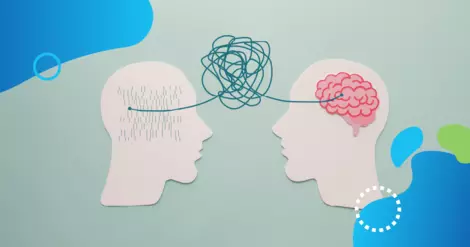
One possible reason is that depression can affect neurotransmitters, the brain’s chemical messengers.
During sexual arousal, your brain uses these chemical messengers to send signals throughout your body. If these chemicals are out of balance, you may experience changes such as:
Having low levels of some chemicals in the brain (such as dopamine) can lessen the sensation of pleasure. As one MyDepressionTeam member noted: “I have no feelings at all when my boyfriend touches me or when we have sex.”

Research suggests that changes in neurotransmitters related to mood regulation (how your brain manages emotions) may be linked to depression. Changes in mood can also interfere with your sex drive.
Hormone changes in the body can contribute to depression. If you have an imbalance of sex hormones, you may experience sexual problems.
For example, an imbalance of estrogen or progesterone in females can cause a low sex drive or vaginal dryness, according to Cleveland Clinic. Puberty, pregnancy, and menopause can cause these changes in your hormone levels.
Cleveland Clinic notes that in males, an imbalance of testosterone or other sex hormones can cause a low sex drive or erectile dysfunction (trouble getting or keeping an erection).
If you’re being treated for depression and are experiencing a low sex drive, your doctor may check for hormone imbalances as part of your treatment.
One symptom of depression is tiredness or lack of energy. Another common symptom is sleep problems (trouble falling asleep, staying asleep, or sleeping too much). Both of these can affect a person’s sex drive.
Antidepressant drugs can help ease symptoms of depression, but some can also cause sexual side effects, including a decreased sex drive.
One MyDepressionTeam member noted, “I love my partner, don’t get me wrong, but I’m not interested in sex one bit. [It’s] been like that since I started my new medication.”
Selective serotonin reuptake inhibitors (SSRIs) are a type of medication often prescribed for depression. These medications can cause problems with sexual desire, arousal, and orgasm by affecting how signals travel between the brain and sexual organs.
These medications include:
It’s important to note that not all people experience sexual side effects on these medications. But if you do, you may want to talk to your doctor. In some cases, they may adjust the dose or suggest a different medication.
For some people, changing medications can have a significant effect on their sex drive. As one MyDepressionTeam member noted, “Once I changed medications, my sex drive came back!”
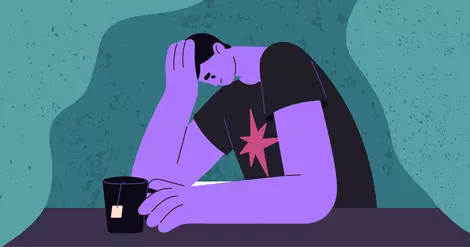
Depression can cause various psychological and emotional symptoms. During an episode of depression, you may experience feelings such as:
Depression can also affect how connected you feel to your partner and how you feel about intimacy.
Depression and sexual issues can affect each other in a cycle, where each can make the other worse. Concerns about sexual performance can worsen depression symptoms.
You may also feel guilty or upset about your low sex drive. One MyDepressionTeam member described this feeling as, “Does anyone have guilt and anxiety about not having a sex drive? I feel so sorry for my husband. It has been months.”
While these feelings are common in depression, they can affect your interest in sex. It can be difficult to avoid self-judgment over any sexual difficulties you might experience.
However, depression is a real and medical reason for wanting less sex. It’s important to be open and honest with your partner about how you’re feeling.
If you’re concerned about a low sex drive during depression, there are treatments and strategies that may help.
Many people have a difficult time discussing sexual issues, such as a low sex drive. Additionally, some healthcare providers may not ask about these concerns unless you bring them up. But discussing these issues with your healthcare provider can help them create a treatment plan that supports both your sexual and mental health.
They may be able to help by:
If you feel hesitant about getting medical help, consider reaching out to a trusted friend, family member, a spiritual advisor, or anyone you feel comfortable confiding in.
It’s important to be open and honest with your partner about how you’re feeling mentally and physically. When a partner isn’t included in the conversation, they may feel isolated and could assume your level of interest has changed. Although it may be difficult, talking to your partner can help prevent misunderstandings.
Some people living with depression continue having sex even when they’re not in the mood to maintain a sense of intimacy with their partner. However, it’s important to do what feels right for you. It’s OK if you want little sex or no sex at all. There is no magic number when it comes to sex.
If you do decide to have sex, it can be helpful to spend more time on foreplay. It may take longer to get aroused during depression. If you or your partner is experiencing vaginal dryness, using a water-based lubricant may help reduce discomfort.
Keep in mind that you do not necessarily need to have sex to create intimacy. Nonsexual touching, such as holding hands and cuddling, can help you and your partner stay physically and emotionally connected.
There are some lifestyle changes you can make that can help support a healthier sex life:
On MyDepressionTeam, people share their experiences with depression and related conditions, get advice, and find support from others who understand.
How has depression affected your sex drive? Let others know in the comments below.
Get updates directly to your inbox.


Are there any supplements or prescriptions that can help low dopamine levels?
 Continue with Facebook
Continue with Email
Continue with Facebook
Continue with Email
Continue with Facebook
Continue with Email
Continue with Facebook
Continue with Email
Become a member to get even more





 Join
Join



 Your Privacy Choices

This is a member-feature!
Sign up for free to view article comments.
Me either. Since I lost my left kidney to cancer back in 2017. More than surgery is evolved in why im not interested. I just don't know how to talk about it.
We'd love to hear from you! Please share your name and email to post and read comments.
You'll also get the latest articles directly to your inbox.