
Powered By



Depression can look different for different people. The symptoms go beyond “feeling blue” or low energy. Depression can affect the whole body. It can also lead to real changes in brain function.
There are various types of depression, and your symptoms may shift over time. Understanding the full potential impact of depression can help you better manage it.
The fifth edition of the Diagnostic and Statistical Manual of Mental Disorders (DSM-5-TR) lists nine possible symptoms for depression. For a formal depression diagnosis, someone must have at least one of the following symptoms for at least two weeks:
Sign up to view the results!
 Continue with Facebook
Continue with Email
A depression diagnosis also requires the person to have at least three to four of the following, for a total of five or more depression symptoms:
For a diagnosis of major depressive disorder, these symptoms must also cause significant distress or make it harder to function in daily life. A healthcare provider will also consider whether the symptoms could be caused by substances, medications, another medical condition, or bipolar disorder.
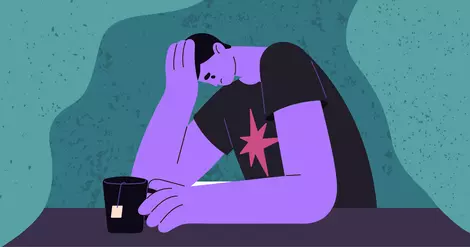
The main symptom of depression is low mood. Mood problems can manifest as sadness or feelings of emptiness. Depression can cause you to feel hopeless or pessimistic, viewing everything in a negative light.
Depression also makes some people more irritable or easily frustrated, especially in the case of kids or teens. People may feel guilty or worthless, and their self-confidence may take a hit.
Hobbies and interests that once excited them can fall by the wayside when depression sets in. Lack of motivation and drive are typical outward signs of depression.
People living with depression may withdraw from social situations. For people with seasonal affective disorder, this may feel like “hibernating” during the winter months, when they may sleep more, have less energy, and spend more time at home. SAD is a type of depression that follows a repeating seasonal pattern. It most often begins in the fall or winter and improves in the spring or summer, although some people have the opposite pattern. Rainy weather or spending time in a dark room may affect mood, but these factors alone do not mean someone has SAD.
In some cases, depression can increase the likelihood of negative outcomes in areas of a person’s life. Some people may experience difficulties functioning at work, lower quality of life, worsening health problems, and substance use.
A depressive episode can also be part of bipolar disorder, which may include periods of depression and mania. Mania is a mood episode with emotional highs, including hyperactivity and euphoria. During manic episodes, risky behaviors, such as gambling, are more likely.
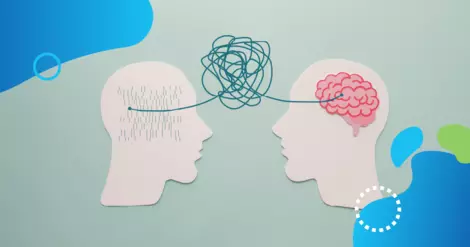
Depression is directly tied to brain function. It can significantly affect thinking and decision-making.
Some people have trouble concentrating or focusing at work. Others may feel overwhelmed by daily decisions they used to handle easily.
Psychosis can happen if someone has a break in their sense of reality during an episode of severe depression. Two main types of psychotic symptoms may affect people with depression: delusions and hallucinations.
Delusions are strong false beliefs that people hold on to even when evidence suggests they aren’t true. Hallucinations involve hearing, seeing, touching, smelling, or tasting things that aren’t there.
During a delusion, the person may appear to be paranoid and suspicious. They may overthink or misinterpret what another person said or did.
People who have psychotic symptoms often display a sudden decline in self-care. They may spend more time alone and stop grooming and maintaining their personal hygiene.
At What Age Do Symptoms Appear?
Different types of depression typically start at different ages. Major depressive disorder can start at any age. It often starts during the early 30s. The first signs can appear earlier, in adolescence or early adulthood.
Bipolar disorder usually begins between the teens and early 20s. SAD is most common in young adults between the ages of 18 and 30.
Major depressive episodes can be temporary or long-lasting. Symptoms can improve with treatment, such as psychotherapy and antidepressants.
Still, many people with depression do not receive treatment. Recent data show that about 39 percent of adults with a major depressive episode in the U.S. did not receive mental health treatment. Among adolescents with a major depressive episode, about 60 percent did not receive treatment.
Overall, depressive episodes can vary in length. Some people have chronic depression — lasting two years or more. People with chronic depression may need to try several different treatment approaches to find one that works for them.
In addition, about 30 percent of major depression is resistant to treatment. If antidepressants have failed, there’s still hope. Other treatments, such as transcranial magnetic stimulation and therapeutic approaches, may be more effective. It’s important to continue seeking help and support to get depression symptoms under control.
Get updates directly to your inbox.


Does Depression ever go away
 Continue with Facebook
Continue with Email
Continue with Facebook
Continue with Email
Become a member to get even more





 Join



 Your Privacy Choices

This is a member-feature!
Sign up for free to view article comments.
You are not alone here. We understand completely. Let us lift you up. Where have you looked to find treatment? Maybe we can help by suggesting some places. My heart goes out to you. Lifting you… read more
We'd love to hear from you! Please share your name and email to post and read comments.
You'll also get the latest articles directly to your inbox.