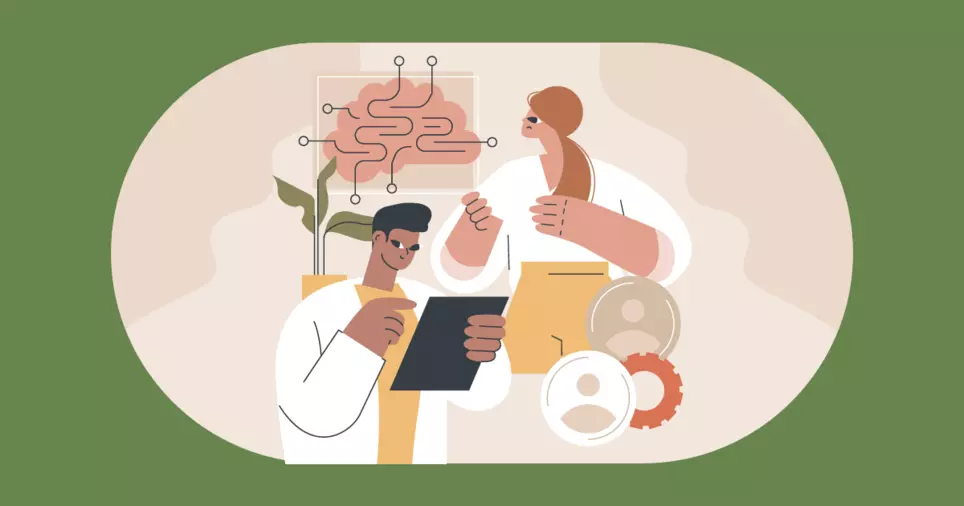
Depression is linked to changes in several key brain chemicals, called neurotransmitters. These chemicals help brain cells communicate with each other, and when they're out of balance, it can affect mood, energy, sleep, and more.
Here are the main ones involved:
- Serotonin – Helps regulate mood, sleep, and appetite Show Full Answer
Depression is linked to changes in several key brain chemicals, called neurotransmitters. These chemicals help brain cells communicate with each other, and when they're out of balance, it can affect mood, energy, sleep, and more.
Here are the main ones involved:
- Serotonin – Helps regulate mood, sleep, and appetite. Lower serotonin activity is linked to persistent low mood, increased anxiety, and difficulty feeling joy
- Dopamine – Plays a role in motivation, reward, and pleasure. Reduced dopamine signaling can lead to low motivation, loss of interest, and feeling emotionally "flat"
- Norepinephrine – Affects alertness and energy. Low levels are linked to fatigue, difficulty concentrating, and feeling mentally foggy Stress hormones also play a role. The brain's stress response system can stay overactivated in depression, leading to higher cortisol levels, sleep problems, and increased anxiety.
The good news is that these brain changes are not permanent. Effective treatment can help restore balance over time.
June 30







 Join
Join




 Your Privacy Choices