
Powered By


The U.S. Food and Drug Administration (FDA) recently approved the ProlivRx device as the first prescription, at-home brain neuromodulation therapy for adults with major depressive disorder (MDD) whose symptoms haven’t improved enough with at least one antidepressant.
Sign up to view the results!
 Continue with Facebook
Continue with Email
Continue with Facebook
Continue with Email
The approval means that people living with depression who don’t get enough relief from antidepressant medications now have an additional treatment option.
ProlivRx is a wearable headset designed for people living with depression who have tried at least one antidepressant without enough improvement. It’s worn on the head and controlled via a smartphone app.
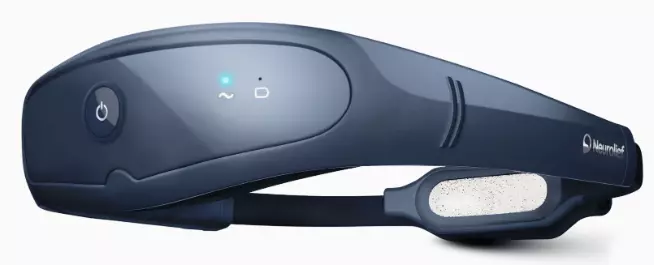
Unlike transcranial magnetic stimulation (TMS) or electroconvulsive therapy (ECT) treatments that require visits to a doctor’s office, ProlivRx can be used at home, but it still needs a doctor’s prescription and supervision.
The device works by sending gentle electrical pulses to specific nerves in the head, the occipital and trigeminal nerves. These nerves help regulate brain areas involved in mood, stress, and emotional response. The goal is to help “reset” the brain circuits linked to depression symptoms, offering a nondrug alternative for people who haven’t gotten enough help from medication.
The FDA approval was based on results from a large clinical trial called the MOOD Study. This study included 124 adults with MDD who hadn’t responded well to antidepressants. They were randomly assigned to use either ProlivRx or a similar-looking placebo device for eight weeks, while continuing their medication.
Among the study findings:
These improvements are similar to or better than those seen in studies of other device-based depression treatments, such as TMS, especially for people who haven’t found enough relief with medication alone.
The most common side effects reported in the clinical study were mild and temporary. These included:
No serious or unexpected device-related side effects were reported, and most people were able to complete the study as planned. As with any new treatment, ongoing monitoring and real-world experience will help clarify long-term safety.
For people living with depression who have not found enough relief with medication, the FDA approval of ProlivRx may offer a new treatment pathway. This device is not meant to replace antidepressants, but it may be used alongside them. It also provides a potential option for people who need a nondrug, noninvasive alternative or who face barriers to accessing traditional clinic-based therapies.
ProlivRx is expected to become available in the U.S. in 2026 through authorized prescribers.
If you’re not satisfied with your current depression treatment, talk with your healthcare provider about your options. They can help you weigh the benefits and risks of different treatments — including new devices, medications, therapy, and lifestyle changes — to find the plan that works best for you.
On MyDepressionTeam, people share their experiences with depression and related conditions, get advice, and find support from others who understand.
Have you tried neuromodulation devices for depression? Let others know in the comments below.
Get updates directly to your inbox.


Will this be available in the UK after a while,? I'm on quite a few meds


 Continue with Facebook
Continue with Email
Continue with Facebook
Continue with Email
Continue with Facebook
Continue with Email
Continue with Facebook
Continue with Email
Become a member to get even more





 Join
Join



 Your Privacy Choices

This is a member-feature!
Sign up for free to view article comments.
I had heard about this, but thought it was a medical device only the 1% could afford. After 2 rounds of TMS in 2.5 years, this sounds very promising. I'd definitely do the 16 weeks.
EDIT: I am… read more
We'd love to hear from you! Please share your name and email to post and read comments.
You'll also get the latest articles directly to your inbox.