
Powered By



 Continue with Facebook
Continue with Email
Continue with Facebook
Continue with Email
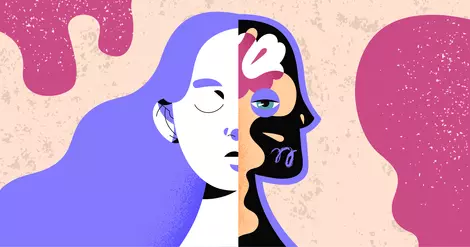
Disorganized schizophrenia, sometimes called hebephrenic schizophrenia, was once one of five subtypes used to diagnose schizophrenia. In 2013, these subtypes were removed from the Diagnostic and Statistical Manual of Mental Disorders (DSM-5). Today, disorganized schizophrenia is no longer a diagnosis. Instead, schizophrenia is diagnosed based on a person’s symptoms and how severe they are.
However, many of the symptoms once linked to disorganized schizophrenia are still part of schizophrenia today. Because of this, it can be helpful to understand what disorganized schizophrenia is, what disorganization can look like, and how schizophrenia is treated. Here’s what you need to know.

Disorganized schizophrenia was a subtype used to describe people with schizophrenia who had disorganized thinking and behavior. This might include speaking incoherently, having scattered thoughts or actions, and showing emotions or responses that don’t match the situation. For example, they might behave in unusual ways, laugh at inappropriate times, make odd facial expressions, or withdraw from others.
At the time, psychiatrists felt that disorganized schizophrenia was the most severe of all the subtypes. They also noted that those diagnosed with this form of schizophrenia often developed symptoms early and that the condition could be difficult to treat.
Symptoms of disorganization are a core part of a schizophrenia diagnosis, even though the subtype of disorganized schizophrenia is no longer used. These symptoms can appear alone or alongside hallucinations, delusions, or negative symptoms such as having a flat affect, or limited emotional expression. Here are some ways that disorganization can show up in schizophrenia.
When someone has disorganized speech or thought processes, their words and sentences may be hard to follow, and their thoughts may seem jumbled. These characteristics can make it hard for them to communicate their thoughts to other people, answer questions, or hold a conversation. People with disorganized thinking can even create new words or phrases that don’t have a specific meaning.
When asked a question, someone with disorganized speech or thinking may respond with something unrelated. Or, they might bring up another topic in the middle of a conversation. They may even put together sentences, sometimes called word salad, that don’t form a coherent thought or statement. All of these characteristics can make it challenging for them to maintain relationships with others and communicate their thoughts, feelings, and opinions.
When a person has disorganized behavior, they may make abnormal movements or act in ways that seem out of place for the situation or their age. Some examples of these behaviors may include being agitated, making repeated movements that serve no purpose, and being silly or displaying childlike behaviors.
Other disorganized behaviors can include:
All of these symptoms can make it hard for people with schizophrenia to interact with others, maintain relationships, or keep a job. Disorganized behavior can also make someone vulnerable to discrimination, which could affect their ability to get a job, housing, and healthcare. It could also lead to being excluded by co-workers and family members and cause even more isolation and loneliness.
Schizophrenia is one of the top 15 disabilities in the world, which is not surprising given that more than 70 percent of people with schizophrenia have some sort of cognitive impairment. Much of this may be related to disorganized thinking and impaired processing abilities.
For instance, a person with schizophrenia may have trouble completing tasks or remembering important details. They may also experience anosognosia, which means they may not realize that they have a mental health issue. Each of these factors can affect daily functioning, impact quality of life, and make treatment challenging.
Schizophrenia can also affect communication abilities and relationships. Some people may struggle with school, work, self-care, and other aspects of daily life. Untreated symptoms of schizophrenia may also lead to more hospital stays and injuries. Getting the right treatment early can help manage symptoms and improve the long-term outlook.
Because schizophrenia is a spectrum disorder, psychiatrists typically develop a treatment plan based on each person’s symptoms. Schizophrenia treatment usually includes a combination of medications, psychotherapy techniques like cognitive behavior therapy (CBT) or talk therapy, support groups, and self-care strategies.
Often, the first line of treatment for schizophrenia symptoms, including disorganization, is antipsychotics. Once the appropriate medication is found to manage symptoms, the healthcare team may also recommend lifestyle changes designed to improve a person’s quality of life, social skills, and overall well-being. They may also recommend substance use interventions when necessary.
A person with schizophrenia is often cared for by a team that may include a mental health professional and a primary care provider. The good news is that with treatment and support, many people with schizophrenia can lead fulfilling lives.
On MyDepressionTeam, people share their experiences with depression and related conditions, get advice, and find support from others who understand.
How have disorganized symptoms affected your daily life or your loved one’s daily life? Let others know in the comments below.
Get updates directly to your inbox.




 Continue with Facebook
Continue with Email
Continue with Facebook
Continue with Email
Continue with Facebook
Continue with Email
Continue with Facebook
Continue with Email
Become a member to get even more





 Join
Join


 Your Privacy Choices

This is a member-feature!
Sign up for free to view article comments.
J
We'd love to hear from you! Please share your name and email to post and read comments.
You'll also get the latest articles directly to your inbox.