
Powered By



Have you noticed that certain events, medications, or even seasonal changes can trigger your bipolar 1 disorder? This is common. Many factors can lead to periods of mania (emotional highs) or depression in people living with bipolar 1 disorder. These episodes can last from days to weeks and sometimes longer (especially without treatment), and they can affect your daily life.
In this article, you’ll learn about bipolar 1 episodes, common triggers, and factors that can affect how long episodes last. You’ll also find tips for managing episodes and knowing when to talk with your healthcare provider.
Bipolar 1 disorder is a serious mental health condition that involves intense mood swings and changes. It’s sometimes written with a Roman numeral (bipolar I disorder). People living with bipolar 1 have episodes of mania and, often, depression. A diagnosis requires at least one manic episode. Depressive episodes lasting at least two weeks are common but not required. Some people experience mixed episodes, with symptoms of both mania and depression.
Symptoms of mania include:
Depressive episodes involve intense feelings of sadness and anxiety. Other symptoms of depression include:
Note: If you or someone you know is experiencing suicidal thoughts or needs mental health support, you can contact the 988 Suicide & Crisis Lifeline by calling or texting 988 or chatting online.
During a manic or depressive period of time, symptoms may occur most of the day for several days in a row. Between episodes, your mood may be more stable, and daily functioning may improve.
A common question is whether people with bipolar disorder remember manic episodes. Research suggests that memory can be affected across mood changes. In a small study of 74 people with bipolar disorder, participants had a harder time remembering the events during depressive episodes than during manic episodes.
Everyone’s bipolar 1 disorder is different, but some common triggers can lead to mood episodes or worsen symptoms of bipolar disorder.
Stress is part of life, but it can have a major impact on people with bipolar 1 disorder. One study found that stressful or negative life events — such as losing a job, going through a divorce, or losing a loved one — may trigger episodes of depression in people with bipolar disorder.

If you’re experiencing a lot of stress or recently had a major life change, it’s a good idea to talk with your doctor or a mental health professional, such as a therapist. They can help you process your emotions and adjust your treatment if needed.
Cognitive behavioral therapy (CBT) is a type of psychotherapy (also called talk therapy) that helps you recognize and change unhelpful thought patterns. Researchers have found that CBT can help reduce symptoms of anxiety and depression.
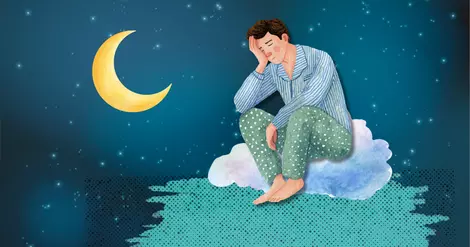
Sleep is important for both physical and mental health. Without enough sleep, you have a higher risk of long-term health problems. Sleep issues can also trigger bipolar mood episodes, especially mania.
In a British Journal of Psychiatry study of people with bipolar disorder, about 20 percent said sleep loss triggered episodes of high mood, and 11.4 percent said it triggered depression. Women were more likely than men to report sleep loss as a trigger for high mood (21.7 percent vs. 16.3 percent).
If you notice changes in your sleep patterns or experience sleep disturbances, talk with your doctor. They may recommend support from a therapist or sleep specialist. You can also take steps to practice good sleep hygiene, including limiting your screen time and avoiding large meals or caffeine before bed.
Bipolar 1 disorder is often treated with mood stabilizers, antipsychotics, and sometimes antidepressants. Taking an antidepressant without a mood stabilizer may also trigger a manic episode in some people, so it’s important to follow a healthcare professional’s guidance.
Other medications, such as corticosteroids and thyroid hormone replacement therapy, may also trigger manic symptoms. Compared with the general population, people with bipolar disorder are more likely to have thyroid conditions, which may require treatment.
Substance use, including alcohol or drugs, and withdrawal from these substances can also trigger mood episodes. Avoiding these triggers may help reduce episodes.
If you start a new medication and notice mood symptoms, contact your doctor. They can adjust your treatment plan to help prevent future episodes.
Many people notice mood changes with the seasons, such as feeling lower in the fall and winter than in spring and summer, when there’s more daylight. For some people, these changes are more intense and may be linked to seasonal affective disorder (SAD), a type of depression with a seasonal pattern.
SAD is less common in the general population but may affect around one-quarter of people with bipolar disorder. People with both conditions may feel more depressed in the fall and winter and more manic in spring and summer.
If your mood tends to shift at certain times of year, talk with your doctor. They can adjust your medication dosage to help prevent triggering an episode. You can also meet with a mental health provider to learn new skills for managing depression in fall and winter.
For a diagnosis of bipolar 1 disorder, mood episodes must meet certain time criteria. According to the National Institute of Mental Health (NIMH), manic episodes must last at least seven days. Depressive episodes must last at least 14 days. A diagnosis of bipolar 1 disorder can also be made if a manic episode is severe enough to require hospital care.
Some people experience four or more mood episodes in one year, known as rapid cycling. A meta-analysis of research showed more than 20 percent of people with bipolar disorder experience rapid cycling each year, and it affects about 35 percent of people at some point in their lives. During rapid cycling, symptoms may shift quickly over a few days.
How long mood episodes last can depend on several factors, including the type of episode and whether you’re receiving treatment. Treatment can help shorten episodes.
According to Cleveland Clinic, untreated manic episodes may last three to six months. With treatment, episodes often improve within three months. If you’re not currently being treated for bipolar 1 disorder, consider talking with your doctor about your treatment options.
On MyDepressionTeam, people share experiences with depression and other mental health conditions, get advice, and find support from others who understand.
What are some factors that trigger your bipolar disorder episodes? Let others know in the comments below.
Get updates directly to your inbox.


My doctor will not listen to me about what meds are working.

 Continue with Facebook
Continue with Email
Continue with Facebook
Continue with Email
Continue with Facebook
Continue with Email
Continue with Facebook
Continue with Email
Become a member to get even more





 Join
Join


 Your Privacy Choices

This is a member-feature!
Sign up for free to view article comments.
Stress has brought on a very bad episode of depression that has lasted more than 5 years. It started with supporting my daughter then my son then surgery to replace my knee and concerns about my… read more
We'd love to hear from you! Please share your name and email to post and read comments.
You'll also get the latest articles directly to your inbox.